Your eye's lens helps focus light.
As it becomes less clear, vision can become misty, colours less vivid and bright lights uncomfortable. Changes usually develop gradually and may affect each eye differently.
Read the NHS cataracts guide >
Understanding cataracts is the first step. Find straightforward guidance, routes to treatment and support for the things that matter to you.

Cataract operations worldwide each year, a published estimate.
Eye journal, 2025 >People have cataract surgery in the UK each year.
RNIB >Cataract is a leading cause of blindness globally. Access to care makes a difference.
IAPB >A cataract is clouding of the natural lens inside your eye. It is not a film over the surface of the eye.
As it becomes less clear, vision can become misty, colours less vivid and bright lights uncomfortable. Changes usually develop gradually and may affect each eye differently.
Read the NHS cataracts guide >Ageing is the most common factor. Diabetes, smoking, previous eye injury or surgery, long-term steroid use and family history can also increase risk. Cataracts can sometimes affect babies and children, who need specialist assessment.
Book an eye test if you notice gradual changes. An optometrist can check for cataracts and other causes of sight problems.
Symptoms and risk factors: NHS >You do not need to wait until you can barely see. Explain how your sight affects your daily life, from reading and work to getting around safely.
Book with a local optometrist (optician). Mention changes in your sight and ask whether cataracts could be the cause.
If cataracts affect your life, discuss referral to an ophthalmology or cataract service. Your optometrist or GP can explain the local route.
The eye team will assess you, discuss benefits and risks, and help you decide. Ask about NHS-funded providers and local waiting times.
If things get harder while you wait, tell your optometrist and clinic. Ask about support, a review or a cancellation appointment.
"My sight is affecting my everyday life. Could I be assessed for cataracts and referred for NHS treatment if appropriate?"
NICE says referral should consider quality of life and a person's wishes, and should not be restricted by a visual acuity score alone. Read the guidance >
Local referral arrangements differ across the UK. NHS-funded care does not require a donation to this project.
England NHS cataract surgery >Scotland NHS waiting time guidance >Wales NHS 111 Wales >Northern Ireland nidirect health guidance >Find an optician in England >Cataract surgery is one of the world's most frequently performed operations. Your eye team will explain what is right for your eyes.
The surgeon removes the cloudy lens and replaces it with a clear artificial lens. The operation usually takes 20 to 45 minutes, often with local anaesthetic, and most people go home the same day.
Surgery is the only treatment that removes a cataract. New glasses or better lighting can help with everyday tasks in the meantime.
The NHS guide to surgery and recovery >You may still need glasses for reading or distance. Discuss the lens choice and the likely outcome with your surgeon. Other eye conditions may limit how much vision improves.
Most people recover well, but surgery has risks, including infection, inflammation and retinal problems. Serious complications are uncommon. Follow your eye team's instructions on drops, activity and follow-up, and arrange transport home.
No. The decision is based on how your vision affects you, your preferences and a clinical assessment. You can discuss surgery before severe sight loss develops.
Ask about better lighting, updated glasses and low vision support. RNIB offers practical and emotional support through its Waiting Well service. Tell your optometrist if your vision is worsening.
RNIB support while waiting >These established organisations help in different ways. Some support people living with sight loss; others help deliver surgery and strengthen eye care overseas.
Information, practical guidance and emotional support for blind and partially sighted people in the UK, including people living with cataracts or waiting for surgery.
Who it helps: People with sight loss, their families and carers. This is a support route, not a promise to fund private surgery.
Explore RNIB's cataract support >Works with local partners to improve access to eye examinations and cataract treatment, and supports training for surgeons, nurses and community eye health workers.
Who it helps: Communities facing barriers to eye care in the countries where its programmes operate.
Explore Sightsavers' work >Support Sightsavers directly >Supports cataract operations, outreach, screening and training through local partners, helping make eye care accessible to people facing poverty and disability.
Who it helps: Adults and children in underserved communities, including people who cannot easily reach an eye hospital.
Explore CBM UK's sight-saving work >Visit CBM UK to support its work >Works with communities and health systems to tackle avoidable blindness, support treatment and train local eye health professionals.
Who it helps: People in the countries where its programmes operate, with a focus on barriers such as poverty and unequal access to care.
Explore the Foundation's work >Visit the Foundation to support its work >Independent listings, not confirmed partnerships or endorsements. Donation links take you to the organisation's own website. We do not collect these donations or take a fee from these links. Programme availability and eligibility are set by each organisation.
 mobilityUK
Explore products for blind and partially sighted people. Tap a product to see details, current pricing and availability at Mobility UK.
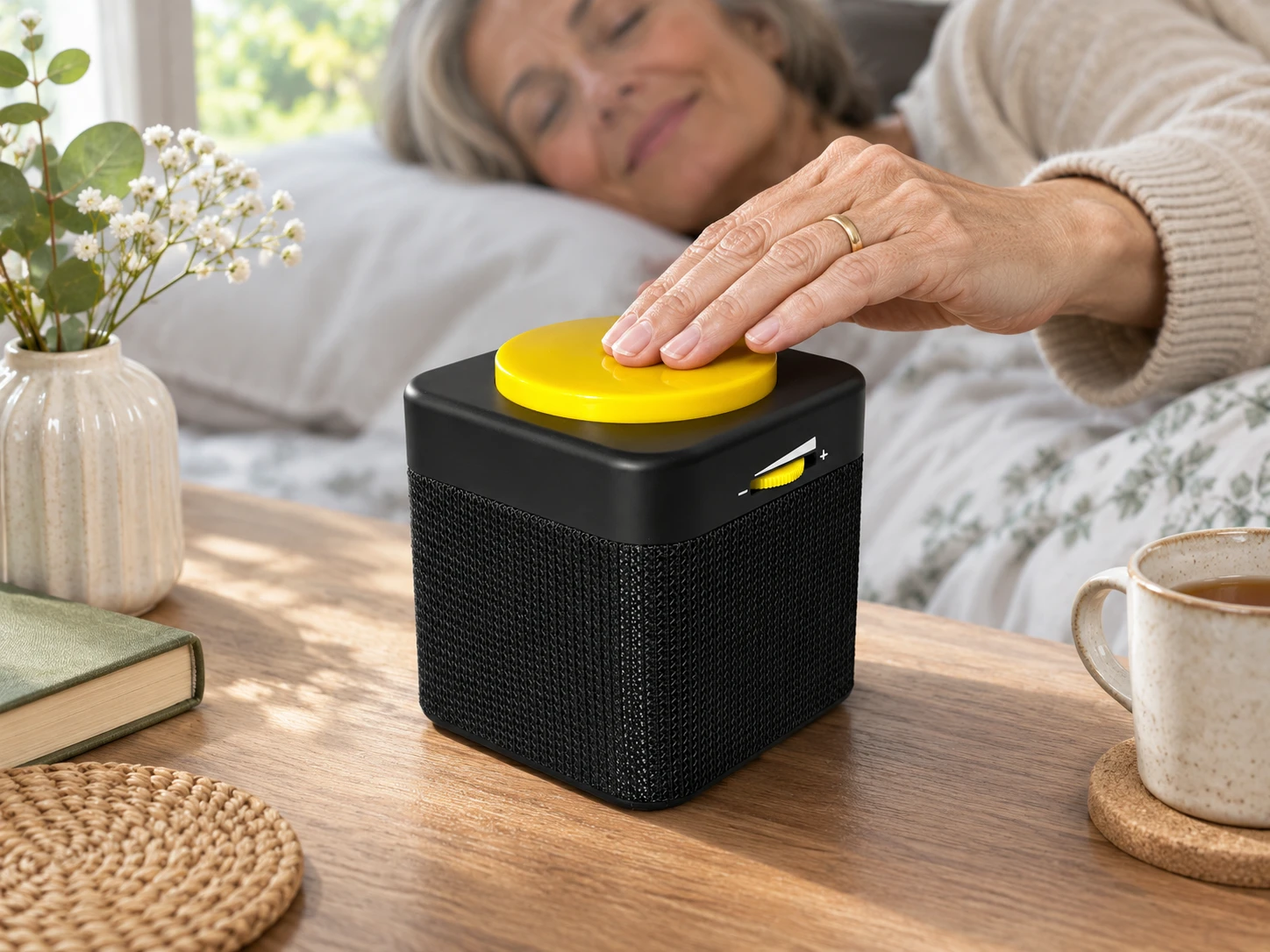
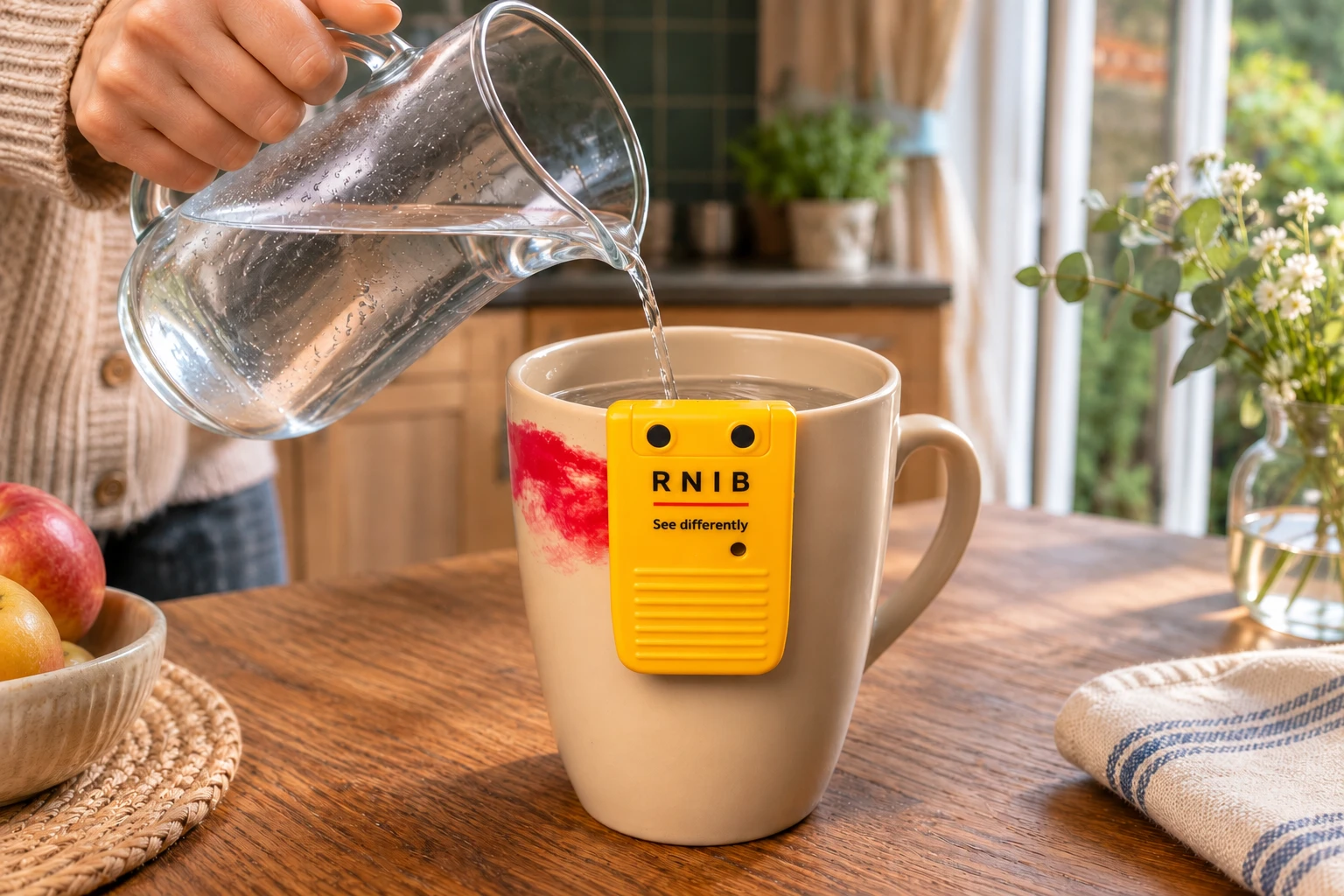

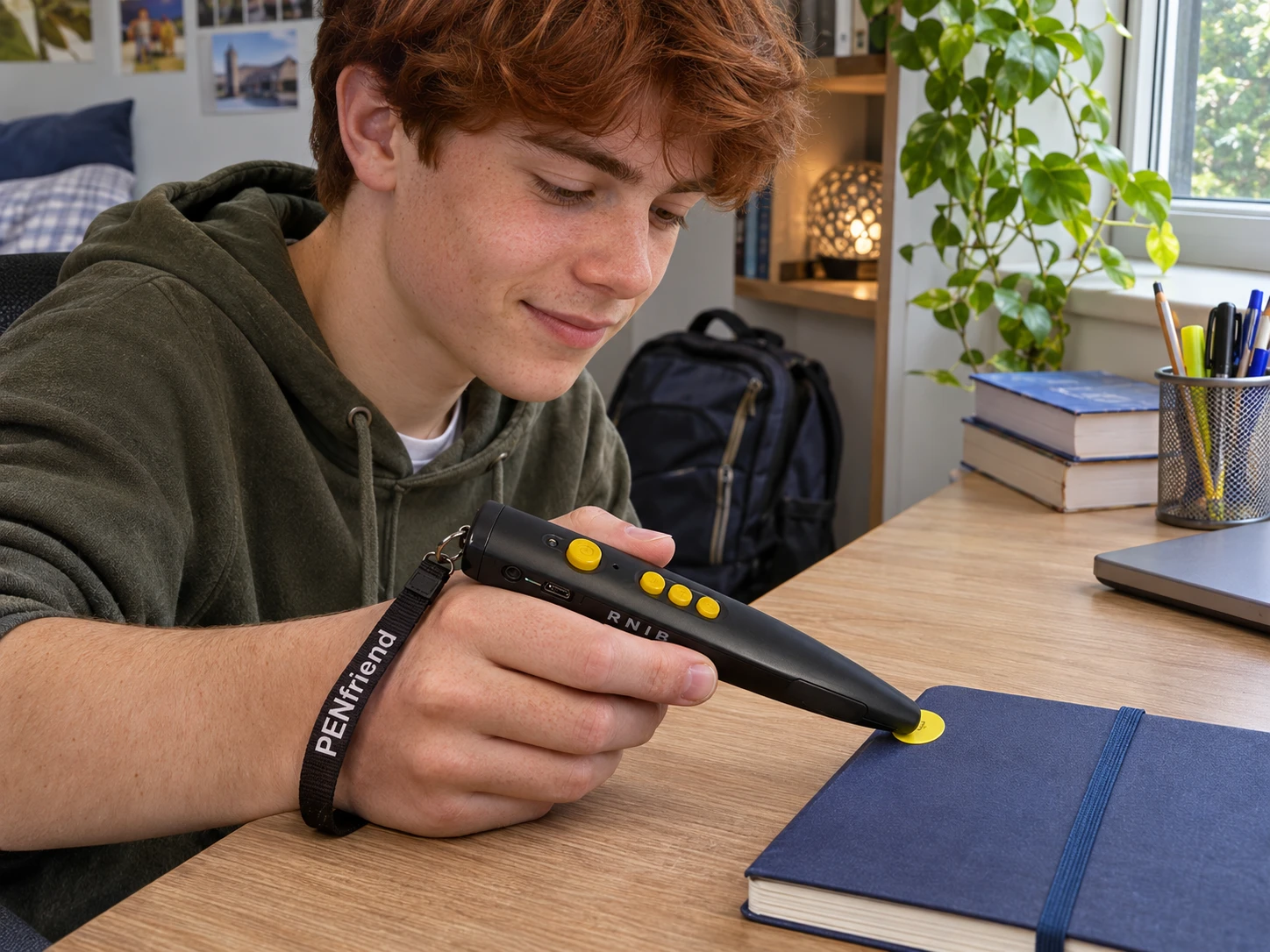
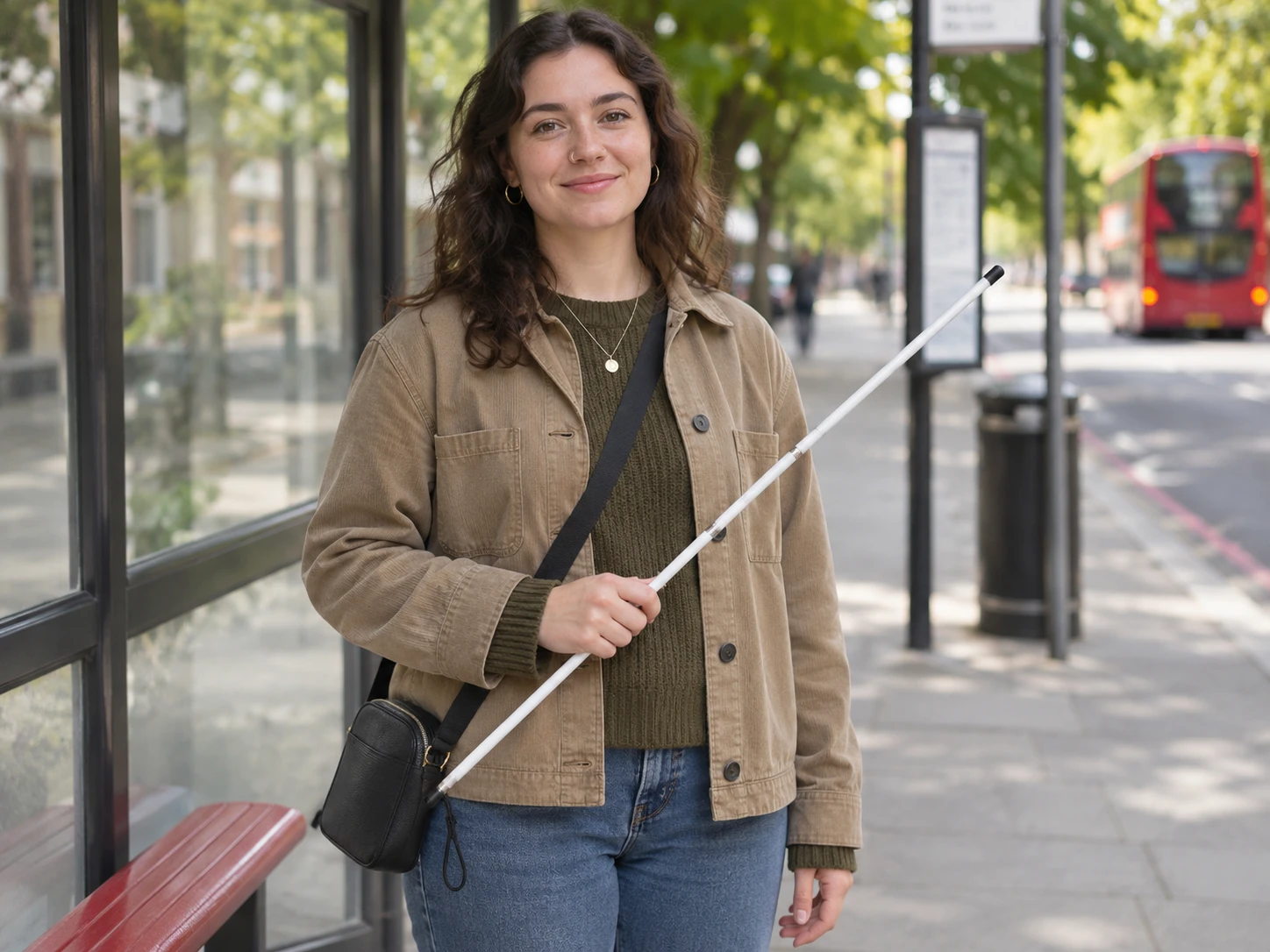

Prices shown from Mobility UK on 17 November 2026. Check the product page for current price, VAT treatment and delivery. Lifestyle images are illustrative. These aids support daily living; they do not treat cataracts.
Discover Mobility UK's sight loss collectionMore products, practical support and ideas for everyday independence.Our ambition is to help more people access cataract care, initially in the UK and, over time, around the world.
We are developing this initiative and exploring how to work with established charities. Today, our role is to share useful information, signpost NHS treatment and help you discover existing support.
Our own donation programme is not open yet. Any future appeal will explain the beneficiary, how funds will be used and any fundraising costs before you donate.
Talk to us about working together >Partnership enquiries are handled privately. Please do not email medical records or urgent clinical questions.
Cataracts.org.uk is an independent information initiative from Mobility UK. It is not an NHS service, a clinical provider or a registered charity. The organisations listed manage their own services.
This information supports, but does not replace, advice from your optometrist or eye care team. No individual treatment or funding is guaranteed.
Information checked against NHS, NICE, RNIB, IAPB and the organisations' own websites on 17 November 2026. Sources are linked alongside the relevant sections. This page has not received an independent clinical review.
Mobility UK product links are commercial links to our own business. Product purchases are not charitable donations.
Suggest a correction >